Getting Started!
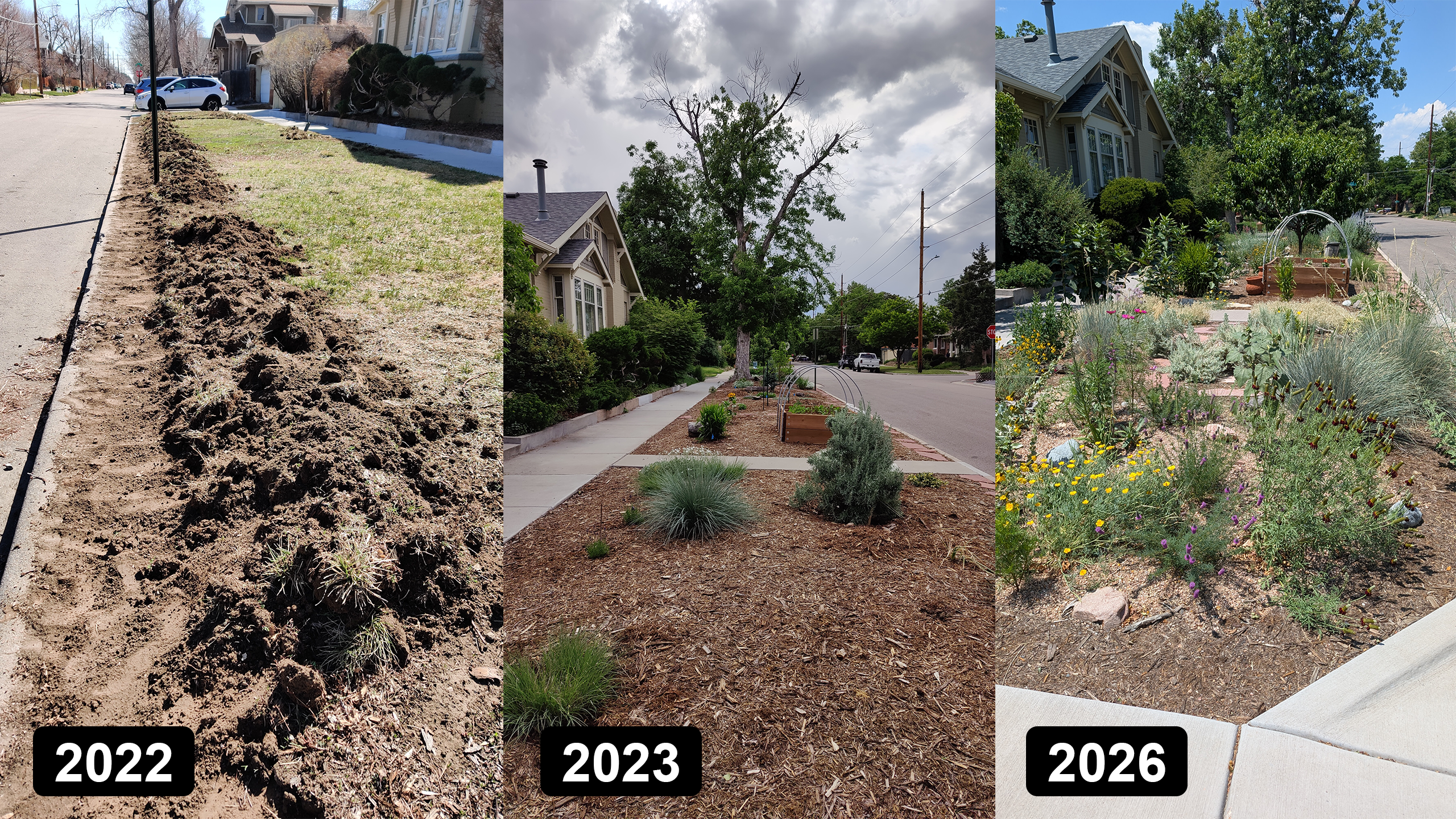
I decided to tear up the lawn on our side parkway, and replace it with low-water plants to reduce consumption as climate change continues to reduce water here on the eastern edge of the Rocky Mountains. It’s a medium-large sized area for a Park Hill “hell strip” (about 100ft by 15ft) so I did some research to get my bearings. The year after starting this garden in spring 2022, I began volunteering at Denver Botanic Gardens in some native and low water gardens to learn first-hand from experts how to grow and care for native xeric or water-wise plants.
A Bit of Garden Philosophy
I once read that “every garden needs a gardener.” I found this to be personally meaningful. I interpreted this to mean that your garden should be a reflection of you, not your designer or a copy of someone else’s garden.
If you research “types of gardens,” you’re going to find a number of ways to arrange plants, rocks, sculptures, items of interest, etc. I encourage you to identify what feels right to you for your site. There are many types of gardens, usually arranged by style and or plant types. I believe I have used ideas from at least three major garden styles - Rock & Desert, Pollinator/Wildlife and Cottage. And I have focused on xeric to low-water plants that are native or adapted to our steppe biome.
For our garden, I wanted to focus on native plants found in shortgrass prairies, and the foothills of the front range, as these native habitats are rapidly disappearing, as are many of the species that have evolved in them. I've learned that our front range biome is know as a "steppe region," sharing this classification with three or four other regions on Earth. All four regions are in the rain shadow of a large mountain range i.e., the Rocky Mountains, Patagonia in Argentina, the Drakensberg mountains in central South Africa, and the Himalayas. Steppe regions experience cold winters and extremely hot summers, and are considered semi-arid environments. They are also characterized by high winds and although they contain incredible floral diversity, steppes are known for their expansive grasslands and shrublands.
One thing I’ve done is reuse every rock and cool bit of old wood from my property, in lieu of buying and having loads of this decorative hardscaping material trucked in. The only material I needed to bring in was the flagstone for the paths.
How would you like people to experience your garden?
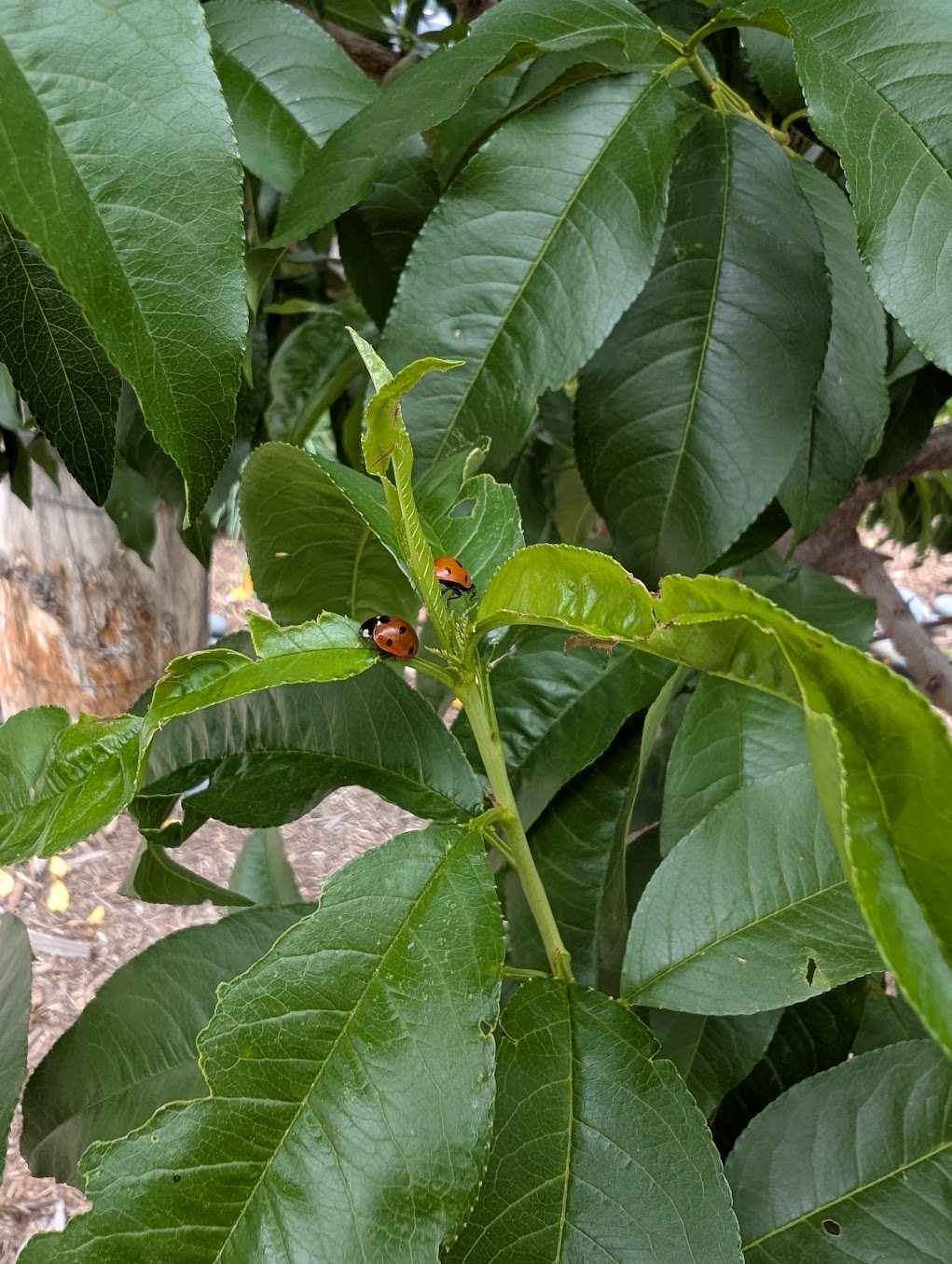
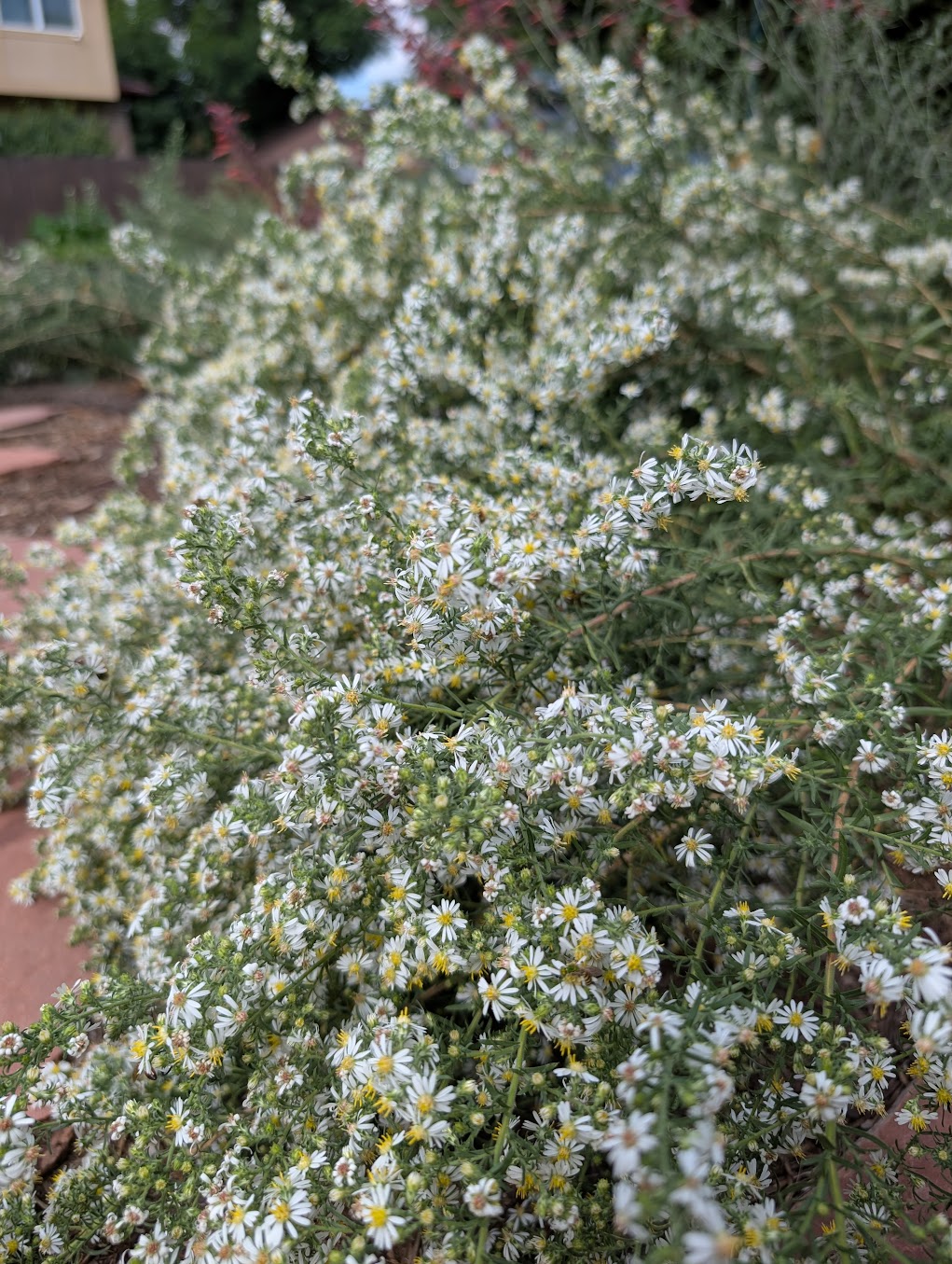
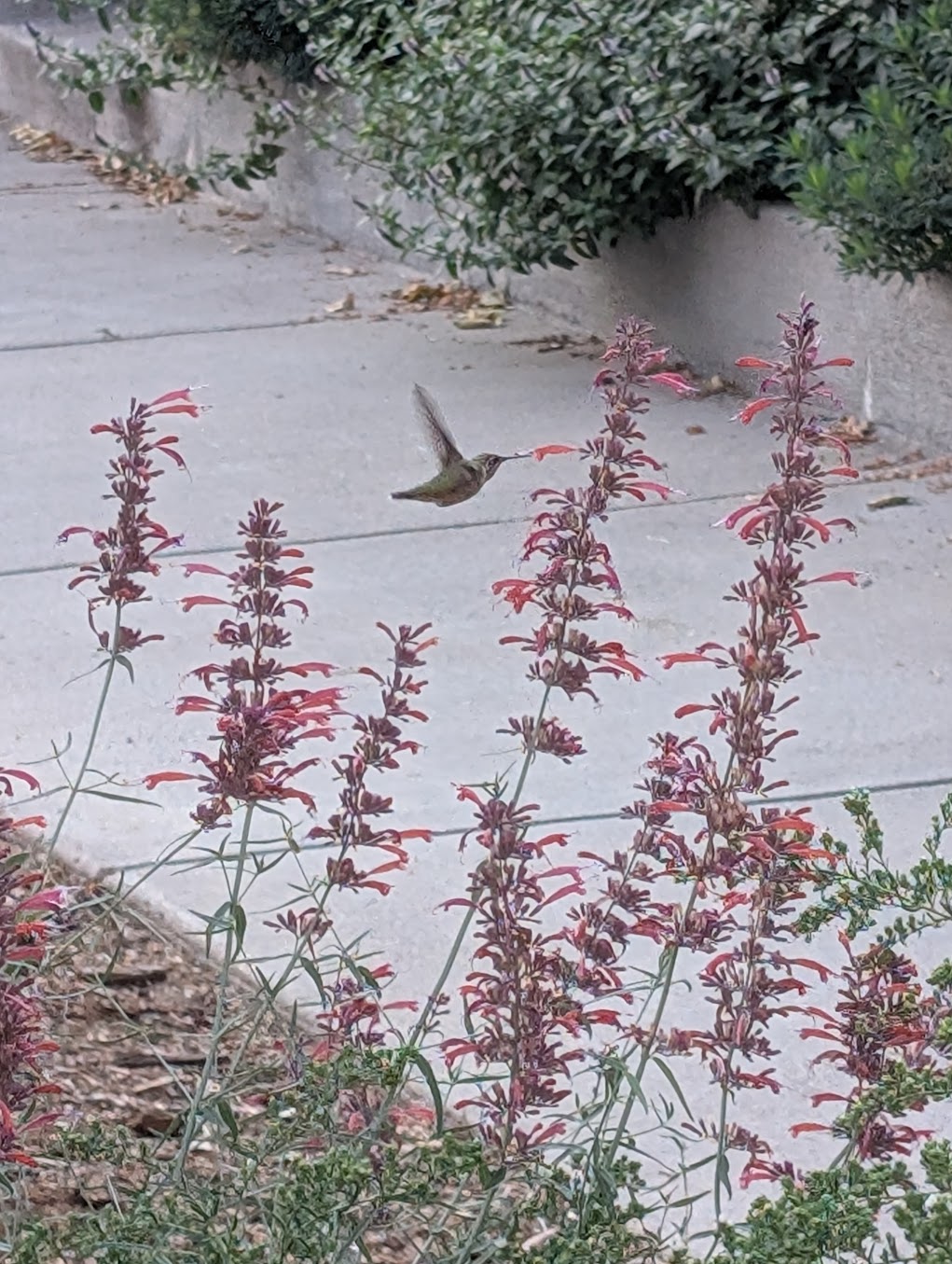
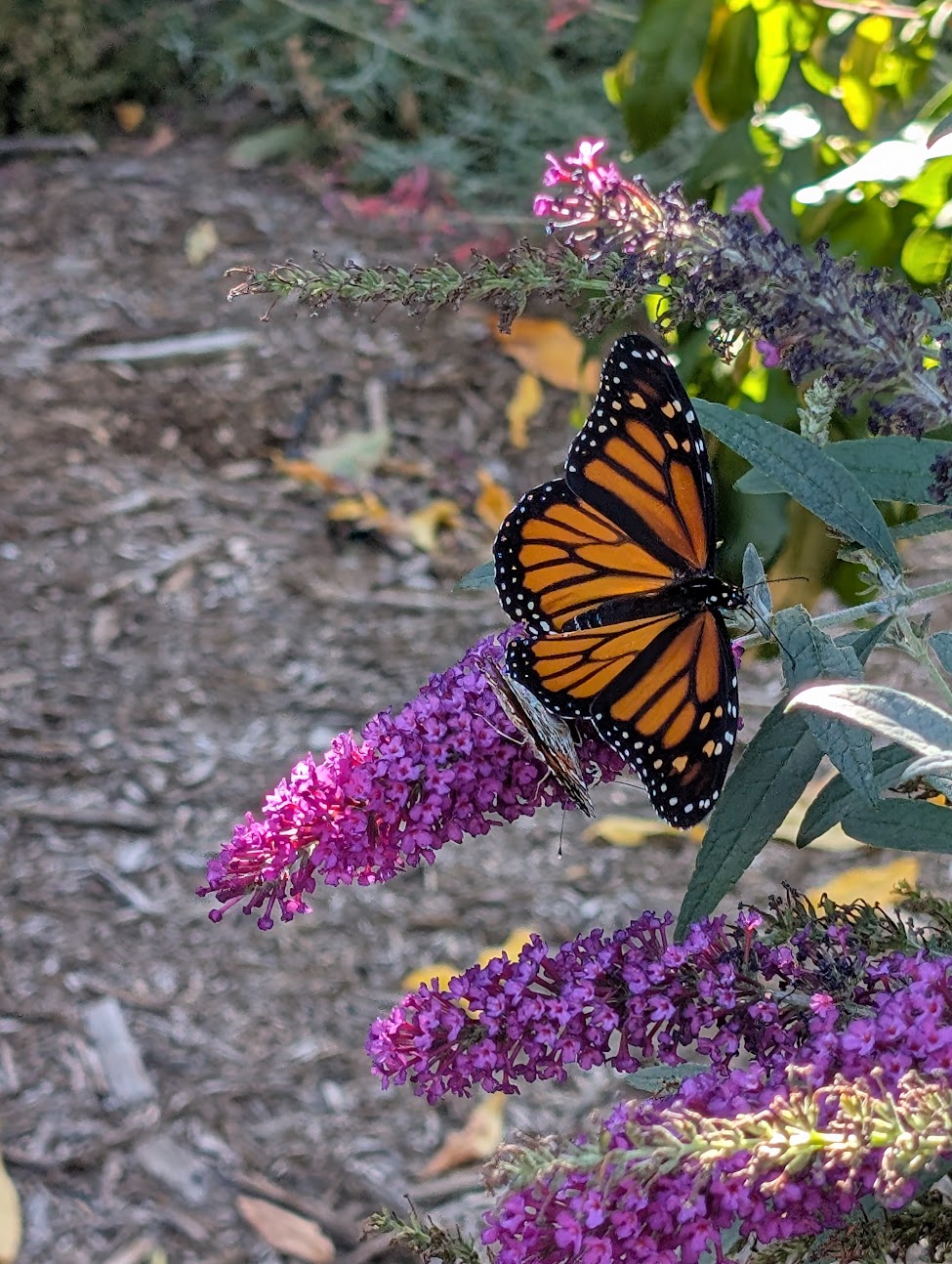
I wanted to create a beautiful space that people might wander through, or pause and enjoy for a moment as they pass on the sidewalk. The two photos show the importance to me of not just seeing the beautiful blooms, but of stopping to notice the many occupants of a garden! As I began learning about the necessity of saving biodiversity, I realized that creating a space of native, and other plants creates a micro-ecosystem, that feeds and shelters all kinds of life. I wanted to allow people a place to see this diversity in their day-to-day city life, in particular the kids. At a certain age they love to run from stone to stone on the paths and stop suddenly to see something; I think it encourages curiosity. The irregular stones used for my pathways were intentional. Japanese gardens often use the principle that irregular stone paths force us to pay attention to the present, which brings greater appreciation and contemplation.
Why include so many native plants?
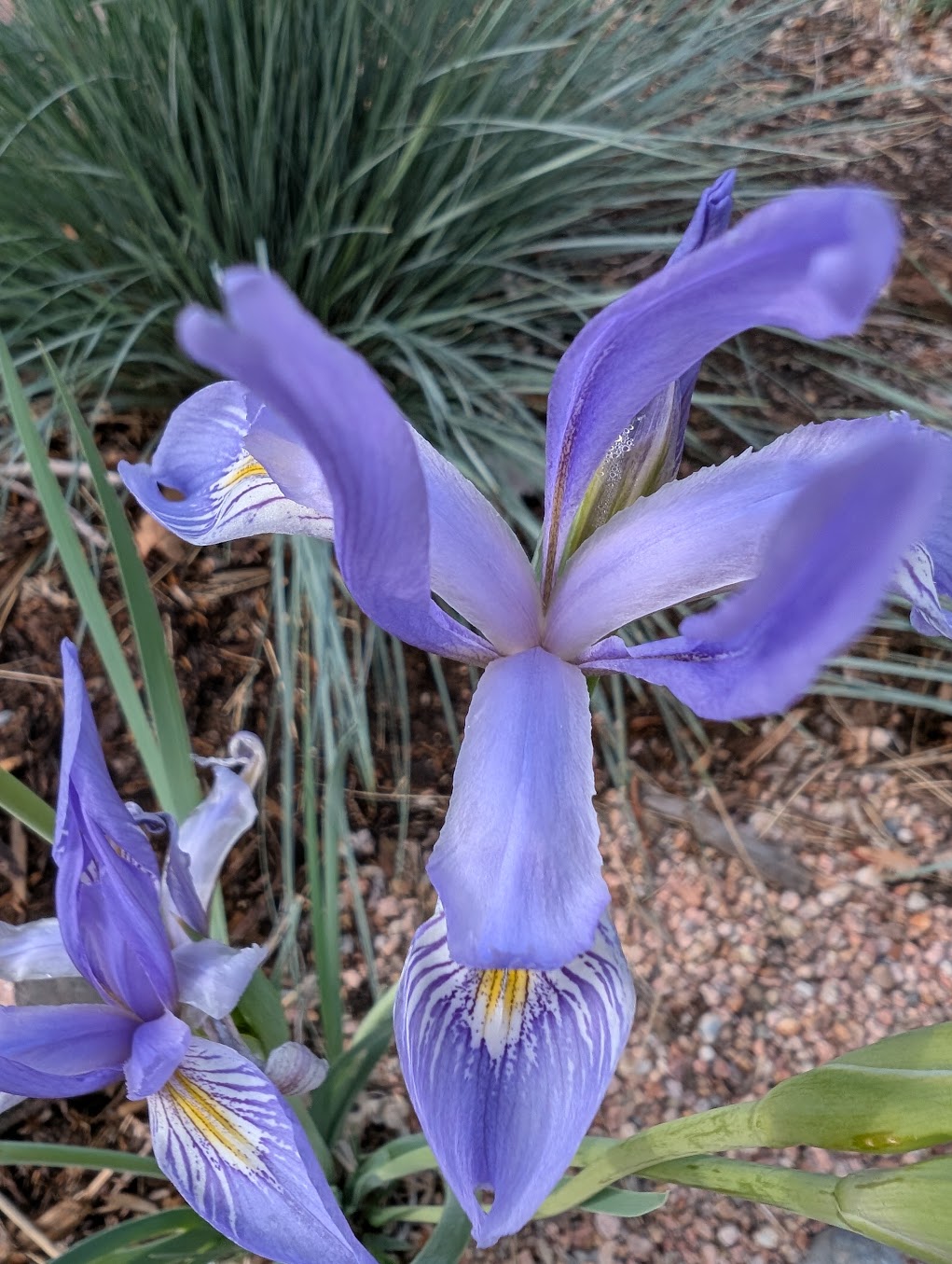
As you probably know, the many species that make-up an ecosystem are all INTER-DEPENDENT, and in a healthy ecosystem, wonderfully and amazingly balanced. The plants that evolve over millions of years to a particular climate maintain thousands of other species, all of which are at risk due to habitat loss. Note that the word ‘native‘ depends on a designated area. I’ve included the word to describe plants native from the great plains to CA, and south to Mexico. You may decide to include only plants from the state of CO of course, but I let the climate here drive my decisions.
Four Seasons of Interest
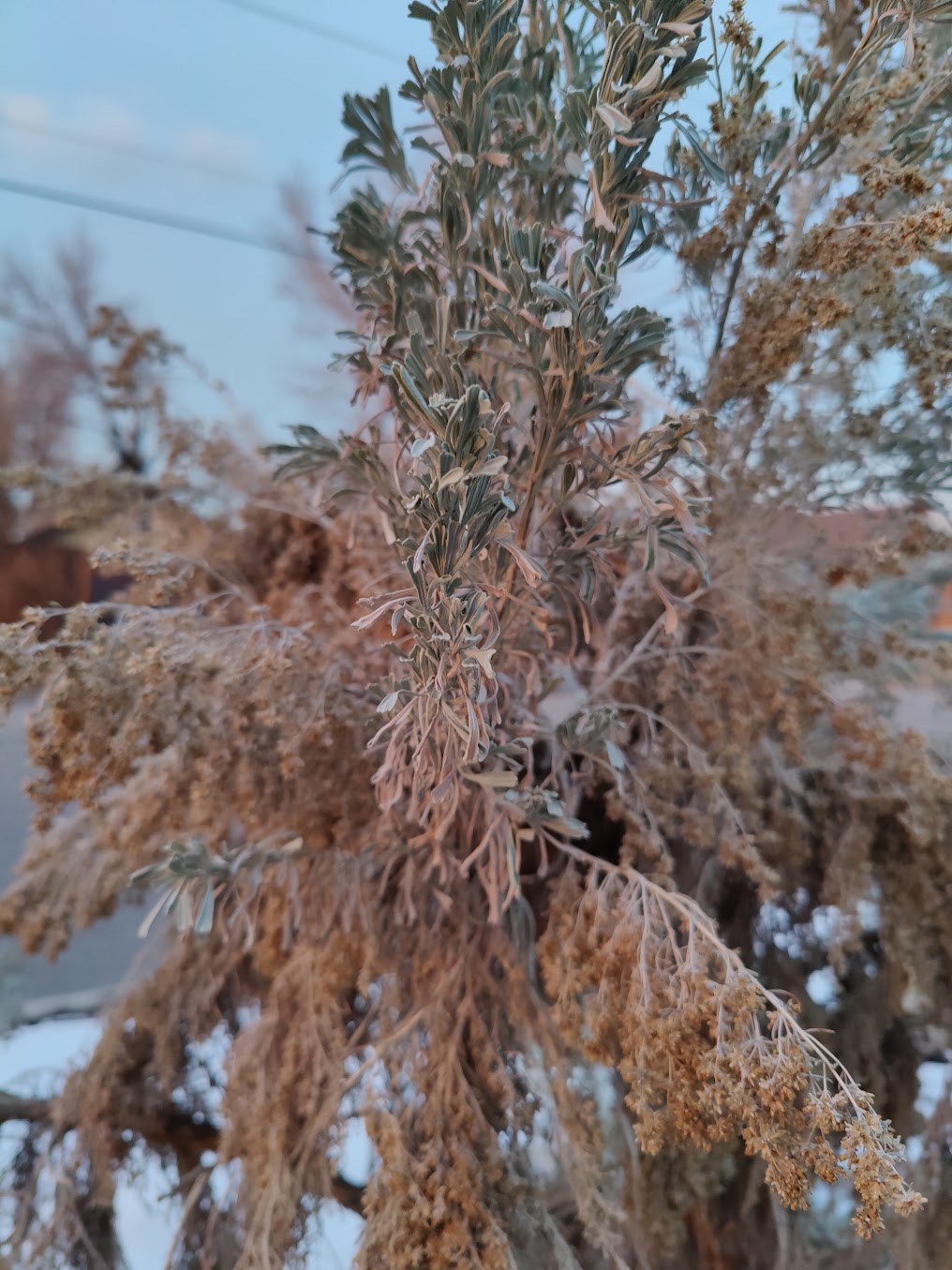
Our site is mostly “full sun,” so that became an important consideration for plant selection. I wanted to design a space that would be interesting even in the winter months. Grasses, shrubs, and evergreen species maintain some visual appeal even when temperatures drop and I wanted to be sure to include some. I have also committed to leaving as many perennials standing as I could until spring to provide food and shelter for animals and insects. What remains is called a winter garden, which can be beautiful with dead seed pods, and empty plant stems.